


Mejores Tours y Viajes de Península de Pelješac
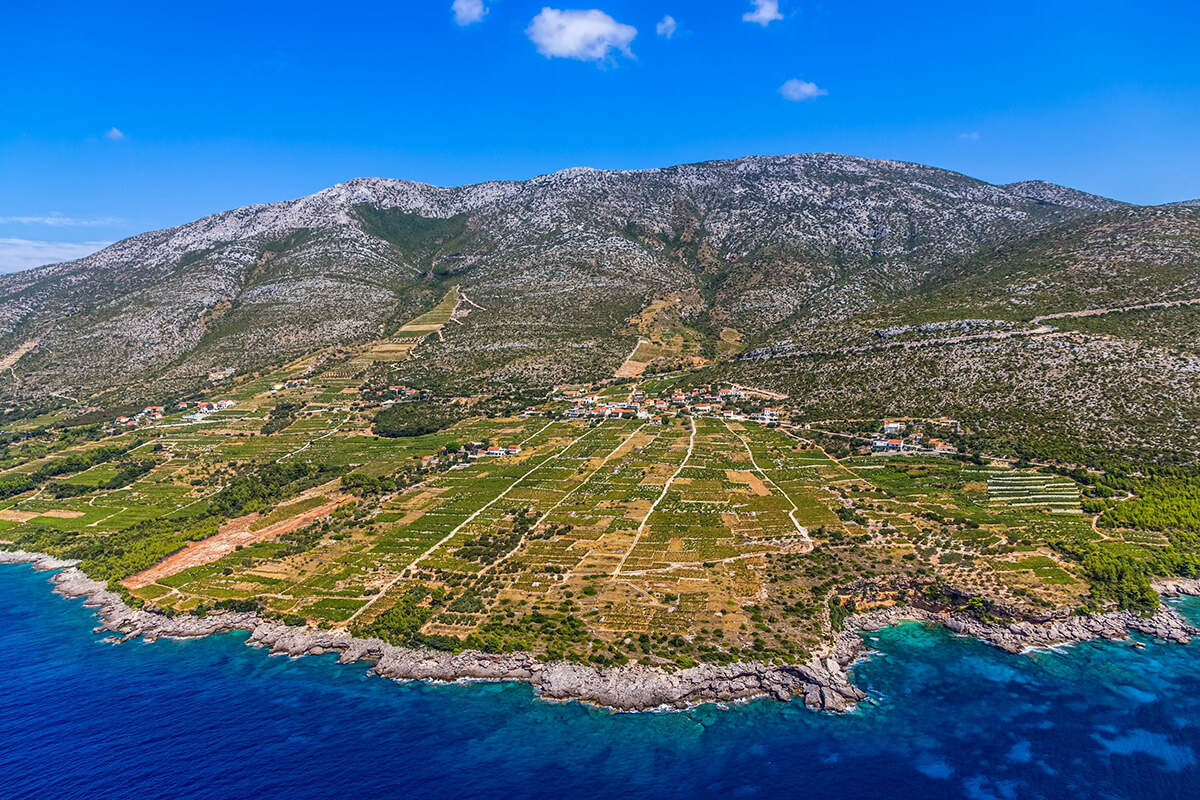
Stretching south from Croatia's mainland like a natural breakwater, the Pelješac Peninsula beckons travelers with sun-drenched vineyards, ancient fortresses, and shimmering Adriatic waters. Renowned for its robust Dingač wines, the region invites oenophiles to tour terraced vineyards clinging to steep coastal slopes. Historic Ston, fortified with Europe's longest defensive walls, offers oysters harvested from nearby bays - a delicacy best enjoyed at waterfront konobas. The peninsula's coastal villages - such as Orebić with its 17th-century Franciscan monastery - blend quiet charm with panoramic views of the surrounding islands. Hiking and cycling trails crisscross the rugged landscape, linking secluded coves like Trstenik and Prapratno, where turquoise waters invite spontaneous swims. With its blend of cultural heritage, outdoor adventure, and culinary authenticity, Pelješac remains a defining gem of Dalmatia's lesser-trodden coast.
Mostrar todo
 3 Resultados
Filtros
Lugares
Fechas y duración


5.0 Código del tour: 730464
Ciudad de inicio / Ciudad de fin
Zagreb, Dubrovnik
Duración
14.0 Days
Ciudad y atracciones
Zagreb, Postojna, Opatija
+6 más
Idiomas
English Live
Tipo de grupo
Tour Grupal Estándar
Audiencia del tour
Primarily English-Speaking Travelers
Operador
The Travel Corporation (TTC)
De
$4,725.00
5.0 Código del tour: 113938
Ciudad de inicio / Ciudad de fin
Dubrovnik
Duración
7.0 Hours
Ciudad y atracciones
Ston, Dubrovnik, Peljesac Peninsula
Idiomas
English Live
Tipo de grupo
Tour Grupal Estándar
Audiencia del tour
Primarily English-Speaking Travelers
De
$136.27
5.0 Código del tour: 113074
Ciudad de inicio / Ciudad de fin
Dubrovnik
Duración
11.0 Hours
Ciudad y atracciones
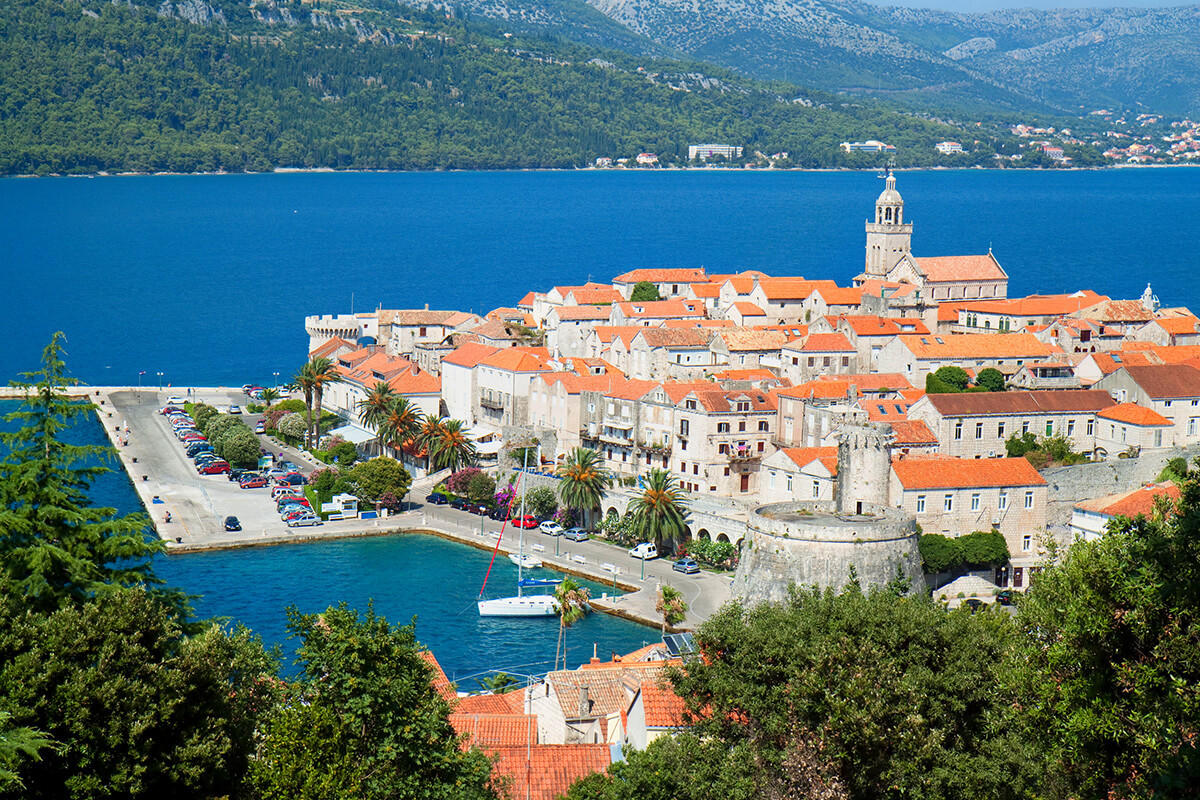
Ston, Dubrovnik, Korcula Island
+1 más
Idiomas
English Live, Spanish Live
Tipo de grupo
Tour Grupal Estándar
Audiencia del tour
Primarily English-Speaking Travelers
De
$81.76
¿Por qué reservar con Tours4fun?
 Garantía del Mejor Precio Precios Transparentes Garantía de Seguridad en Viajes Soporte Multilingüe 24/7
La mejor época para visitar Peljesac Peninsula
Primavera
2026
In spring, the Pelješac Peninsula enjoys mild temperatures of 15°C (59°F) to 20°C (68°F), with increasing sunshine and calm seas, perfect for coastal exploration. This serene season highlights vineyard walks in Dingač, hiking trails through Pelješac Nature Park, and quiet visits to the historic Franciscan monastery in Orebić. With fewer crowds, travelers can savor fresh seafood, sample renowned Plavac Mali wines, and take scenic ferry rides to Korčula Island, all amid blooming lavender fields and olive groves.
Mostrar todo
Verano
2026
Summer on the Pelješac Peninsula brings warm, sunny weather with average highs of 28°C (82°F) and low humidity, perfect for exploring sun-kissed vineyards and turquoise coves. Coastal villages like Ston and Orebić thrive in the season, offering fresh oysters, scenic hiking on the Mali Ston Ridge, and ferry access to Korčula Island. The calm, clear waters invite swimming, snorkeling, and sailing along a rugged Adriatic coastline steeped in maritime charm and Dalmatian tradition.
Mostrar todo
Otoño
2026
Autumn on the Pelješac Peninsula brings mild temperatures of 18-22°C (64-72°F), with crisp air and fewer crowds enhancing the serene coastal charm. Golden sunlight bathes vineyards, where harvest festivals celebrate Dingač and Postup wines, while coastal trails along the Pelješac Ridge offer breathtaking views of the Adriatic. Visit Ston to explore ancient walls and savor fresh oysters, or unwind on secluded beaches like Tičan or Prigradica as the season gently winds down.
Mostrar todo
Invierno
Winter on the Pelješac Peninsula brings mild coastal weather, with temperatures averaging 5°C (41°F), rare snow, and crisp, clear days. Sheltered by hills and Mediterranean breezes, it’s an ideal escape for serene walks through olive groves and vineyards. Visit the historic town of Ston to explore its ancient walls and enjoy oyster-tasting at nearby mariculture farms. The tranquil atmosphere, combined with local wineries offering warm hospitality and seasonal delicacies, makes Pelješac a peaceful winter gem along Croatia’s Adriatic coast.
Mostrar todo
Preguntas frecuentes sobre tours de Peljesac Peninsula
What is the best time of year to visit Pelješac Peninsula for warm weather and fewer crowds?
Visit Pelješac Peninsula between late May and early July or September to October. These periods offer warm Mediterranean weather, ideal for swimming and wine tours, with fewer tourists than peak August. July and August are hottest and busiest, while the rainy season typically begins in November, making late spring and early autumn the optimal travel windows.
How do I get from Dubrovnik Airport to Pelješac Peninsula without a car?
Take a shuttle or bus from Dubrovnik Airport (DBV) to Orebić or Ston via the Trpanj ferry. First, travel to the Port of Dubrovnik or Komolac by shuttle, then board a Jadrolinija ferry to Trpanj or Korčula (for connection to Pelješac). Alternatively, pre-book a private transfer from the airport directly to Pelješac towns like Dingač or Janjina for maximum convenience.
Is the Pelješac wine route accessible for day trips from Dubrovnik, and which wineries should I visit?
Yes, the Pelješac wine route is a feasible day trip from Dubrovnik (2-2.5 hours round-trip). Focus on Dingač and Postup regions for bold Plavac Mali reds. Recommended wineries include Bura-Magic, Ivanišević, and Miloš for tastings with sea views. Book tours in advance, especially in summer, and consider guided visits that include transport for safety and deeper insight.
Do I need a local pass or ticket to visit Ston and its salt pans on Pelješac Peninsula?
No pass is needed to walk the Ston walls or visit the salt pans. Access to the historic town and trails along Europe’s longest fortification system is free. However, a small fee (around 10 HRK) may apply for the main Ston Fortress viewing platforms. The salt pans are open year-round, and free self-guided walking paths explain traditional salt harvesting methods.
Explorar los tipos de tours en Peljesac Peninsula


Ofertas de viaje exclusivas
Suscríbete a nuestro boletín para recibir acceso exclusivo a ofertas exclusivas para miembros por correo electrónico.