


Best Guiyang Tours & Trips
Nestled in the lush mountains of southwest China, Guiyang offers travelers a refreshing escape with its mild climate and green surroundings - a rare urban retreat where nature and city life blend seamlessly. The nearby Huangguoshu Waterfall, one of Asia’s largest, impresses with its thunderous cascade, while Qianling Park invites hikers to explore forest trails and encounter playful macaques. Culture thrives in ancient towns like Qingyan, where stone pathways and Ming-era architecture tell stories of salt caravans and scholarly clans. For a taste of local life, stroll through Guiyang’s wet markets brimming with sour fish soup ingredients and wild mushrooms, reflecting the region’s Miao and Dong culinary traditions.
Show All
 2 Results
Filters
Places
Dates & Length
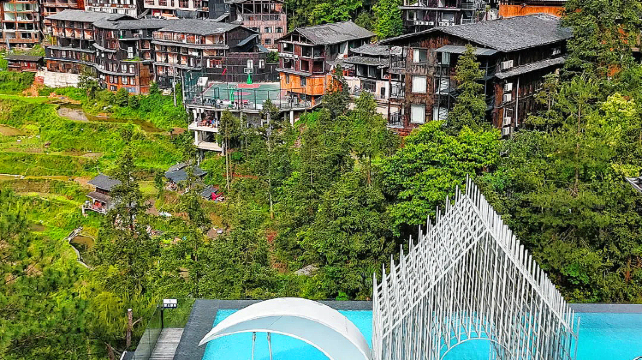


5.0 Tour Code: 741708
Start / End City
Guiyang, Fanjing Mountain Scenic Area
Duration
4.0 Days
City & Attractions
Liping, Jiangkou, Leishan
+5 more
Languages
other
Group Type
Private Tour
From
$499.27
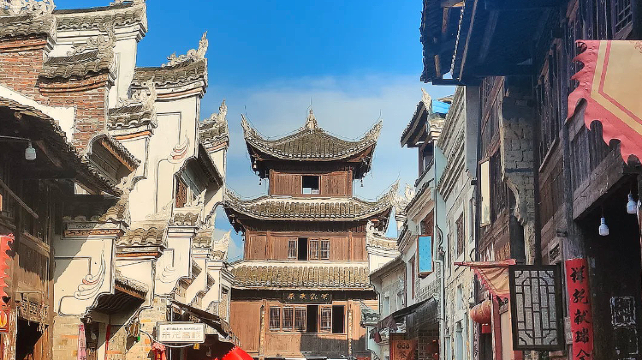
5.0 Tour Code: 741687
Start / End City
Guiyang
Duration
7.0 Days
City & Attractions
Guiyang, Jinping,
+6 more
Languages
other
Group Type
Private Tour
From
$615.24
Why book with Tour4fun?
 Best Price Promise Transparent Pricing — No Hidden Fees Strictly Selected Local Partners 24/7 Multilingual Support
Best Time to Visit Guiyang
Spring 2026
In spring, Guiyang enjoys mild and refreshing weather, with temperatures averaging 15°C (59°F), gradually warming into the upper teens by late spring. Lush greenery returns to the city's parks and surrounding karst hills, making it ideal for exploring Huaxi Park, Qianling Mountain Park, and the scenic Yangming Cultural Town. Cherry blossoms bloom across the city in early spring, while the nearby Huangguoshu Waterfall begins to swell with seasonal rains, creating stunning views. This pleasant season offers fewer crowds and clear skies, perfect for outdoor adventures and experiencing local Buyang and Miao culture at village festivals.
Show All
Summer 2026
Summer in Guiyang brings pleasantly mild weather, with average highs around 25°C (77°F) - making it one of China's most comfortable getaways during the hot season. Nestled in the lush mountains of Guizhou, the city offers a cool escape with lower humidity compared to other southern regions. Explore Qianling Park for serene hikes and views of the Guiyang skyline, or visit the nearby Huangguoshu Waterfall, one of Asia's largest, which swells dramatically with summer rains. The vibrant streets of Jiaxiu Tower area come alive with local snacks like siwang guoyan and ethnic minority culture. With reliable weather and scenic outdoor adventures, Guiyang shines as a refreshing highland destination in June to August.
Show All
Autumn 2026
Autumn in Guiyang, brings mild and refreshing weather, with temperatures averaging 15°C (59°F), perfect for outdoor exploration. The city's mountainous terrain glows with golden foliage, especially in Huaxi Park and Qianling Mountain Park, where hiking and temple visits become even more enjoyable. Cooler breezes reduce humidity, enhancing comfort while discovering the vibrant Nuo culture at Qingyan Ancient Town. Local markets shine with seasonal delicacies like sweet osmanthus cakes and fresh chestnuts, adding flavor to your journey.
Show All
Winter 2026
Winter in Guiyang brings cool, damp weather with average temperatures around 5°C (41°F), occasional frost, and minimal snowfall, making it one of the milder but cloudier highland winters in southern China. Despite the overcast skies, the season offers a peaceful charm, especially in Huaxi District and Qianling Park, where frost-dusted evergreens and quiet trails create serene escapes. Warm up with local delicacies like sour fish soup and spicy crayfish at night markets, or take a day trip to Huangguoshu Waterfall, where reduced crowds enhance the grandeur of the icy cascades. With improved winter air quality and fewer tourists, Guiyang becomes a cozy, off-the-radar destination for nature lovers and culture seekers alike.
Show All
FAQs about Guiyang Tours
What is the best time of year to visit Guiyang?
Visit Guiyang between October and November for mild weather, minimal rainfall, and fewer tourists. Spring (March to May) offers pleasant temperatures but higher chances of drizzle. The city's humid subtropical climate means summers are rainy—July and August see peak precipitation—so autumn provides the most comfortable conditions for exploring parks and nearby ethnic villages.
How do I get from Guiyang Longdongbao International Airport to the city center quickly and cheaply?
Take Airport Bus Line 1 to Guiyang Railway Station (30 minutes, ¥10) or Line 2 to Yunyan Wulu (¥8). Taxis cost ¥100–130 depending on destination and traffic. Ride-hailing apps like DiDi are reliable and often cheaper than street taxis. Avoid peak hours (7–9 AM, 5–7 PM) to reduce travel time.
Is the Guiyang Tourism Pass worth it for visiting Huangguoshu Waterfall and Qingyan Ancient Town?
Yes, the Guiyang Tourist Card offers discounts on admission and transport to major sites. While Huangguoshu Waterfall (outside the city) isn’t fully covered, cardholders get 30% off entry. Qingyan Ancient Town offers direct access or reduced fees. It also includes free city bus rides—ideal for visiting Huaxi Park and Qianling Park.
What should I wear when visiting Guiyang’s mountainous areas in winter?
Wear layers, including thermal base, fleece, and a waterproof windbreaker. Guiyang winters are damp and chilly (average 3–8°C), with frequent overcast and light drizzle. Indoor heating is rare, so prioritize moisture-wicking clothing. Traction-ready shoes are essential for hiking near Huaxi or Qianling Park due to slippery trails.
Browse Guiyang Tour Types
Explore Popular Guiyang Itineraries
Start City


Save up to 50% on tours
Sign up for our newsletter to get exclusive access to members only deals by email.